Unseaworthiness or Negligence

Arnold I. Berschler • May 29, 2025

Three shrimp fishers were lost in the Puget sound when their 20-foot vessel capsized in mild water conditions. In our experience, the capsize of a small boat in calm water typically is caused by having an sternward anchor or tow acting as as sea-anchor pull the transom down to the waterline. This is not a matter of unseaworthiness, which is defined as a vessel or condition not reasonably suited for its intended or foreseeable use. It is simple negligence when an experienced boater is in charge or a tragic accident when an uninformed novice is in the lead. (Ought to have gotten an education beforehand.) . The truly frustrating element is that those lost were not wearing life jackets as required by law. "All vessels (including canoes, kayaks and stand-up paddle boards) must carry at least one properly fitted U.S. Coast Guard-approved life jacket (Personal Flotation Device or PFD) for each person on board a vessel." RCW 79A.60.160.

By Arnold I. Berschler • March 10, 2025
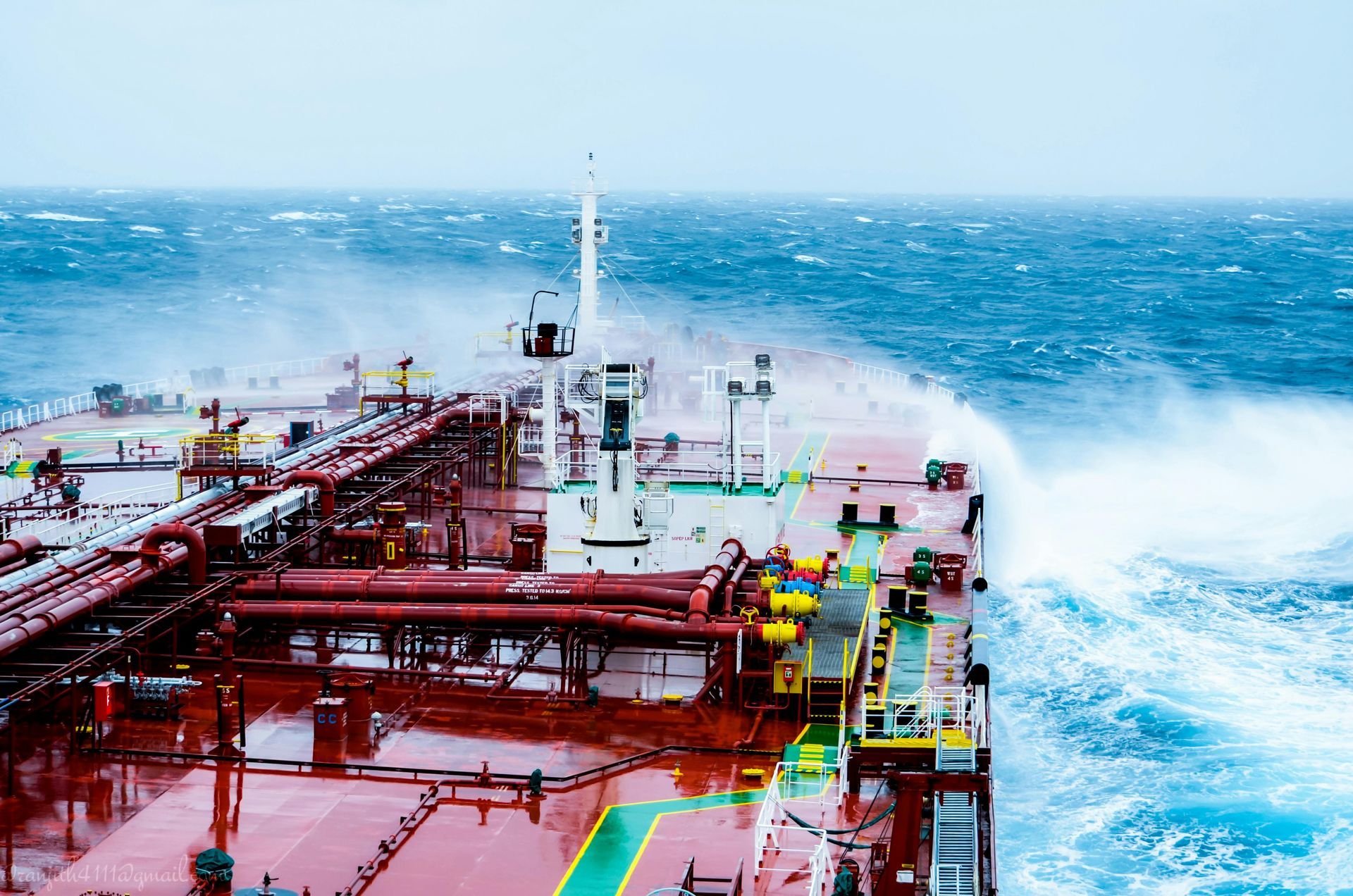
Jones Act seafarers ought to act quickly to protect their claims arising out of the collision between the tanker vessel m/t STENA IMMACULATE and Portuguese freighter m/v SOLONG, owned by German company Reederei Koepping, in the North Sea near Hull in East Yorkshire, England, UK on March 10, 2025. Because the tanker was chartered by Crowley Shipping, a division of Crowley Maritime that is headquartered in Florida and incorporated in Delaware, the Jones Act seafarers employed by Crowley could sue their employer in Florida, Delaware or any place in the United States where Crowley and the mariner’s contacts were sufficiently strong. Yet, what about the responsibility of the SOLONG? Will its liability be decided in the United Kingdom, Germany, Portugal or the United States? Probably various claims and litigation will arise in more than one country and likely each vessel’s interests now has begun thinking about how to manage the claims or lawsuits, possibly through one or two coordinated legal actions addressing all claims at once. Were Crowley able to secure jurisdiction over the vessel or its owner or its operator in the United States, a direct legal control could be through the Limitation of Liability Act of 1851, codified as 46 U.S.C. § 30523. Such a proceeding would allow the Jones Act seafarers to put their claims against their employer, the owner or owner pro hac vice of the STENA IMMACULATE and against the owners and operators of the SOLONG into a single legal action while also enabling Crowley to address its own damage claims against the SOLONG and its interests. Nevertheless, it appears that the collision occurred in English waters and the admiralty jurisdiction of the United Kingdom will be the situs of litigation. Crowley might take a tactical move of preemptively reaching out to the inured seafarers it employed, obtaining quick settlements that would allow Crowley to seek indemnity (reimbursement) from the SOLLANO interests.

By Eric Draluck • June 22, 2020
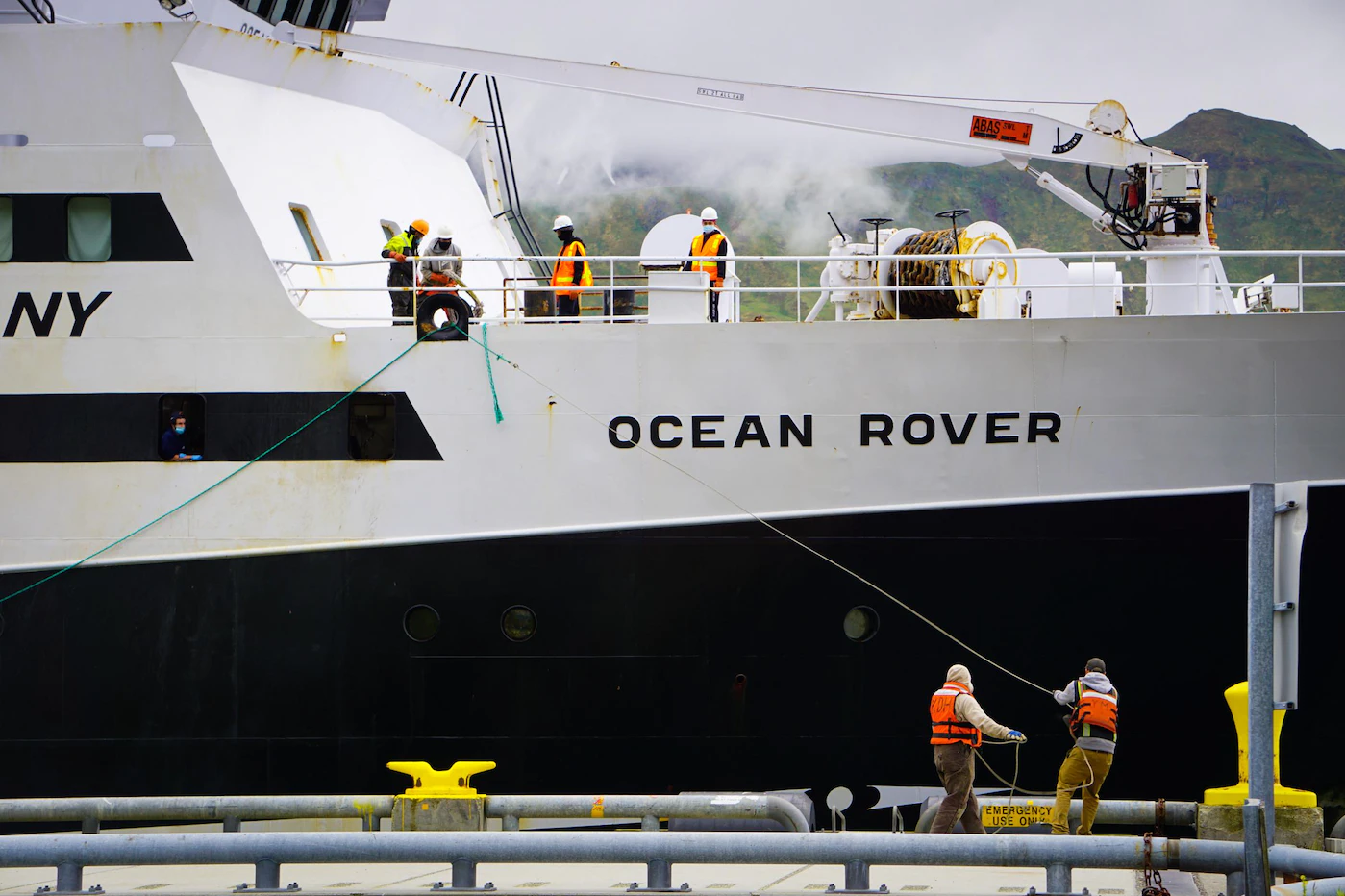
Pandemic safety measures for the fishing industry are largely voluntary in Washington state, and not all companies follow them. Since late May, 110 crew members from three ships have fallen ill. The workers, many of them immigrants with green cards, hail from 29 states and an unknown number of countries, according to Washington Department of Health epidemiologist Marisa D’Angeli. American Seafoods tested all its workers for Covid-19 before they boarded their vessels in mid-May, and took other safety measures on board, but only quarantined its workers for five days before letting them get to work. American Seafoods spokesperson Suzanne Lagoni said she did not know how the company arrived at a five-day quarantine. “They were using different protocols than the rest of the industry,” Joshua Berger, with the Washington Department of Commerce, said. There were no coronavirus cases on Washington-based ships or seafood processing plants that followed the recommended protocols. After the Covid-19 outbreaks, American Seafoods announced on June 5 that it was switching to the 14-day quarantine recommended by the state and the fishing industry. (Adapted from a news report from KUOW/NPR on June 19, 2020. The full report can be found here .)